Random Rewards Designed for Endless Replayability
23 July 2026 | 31
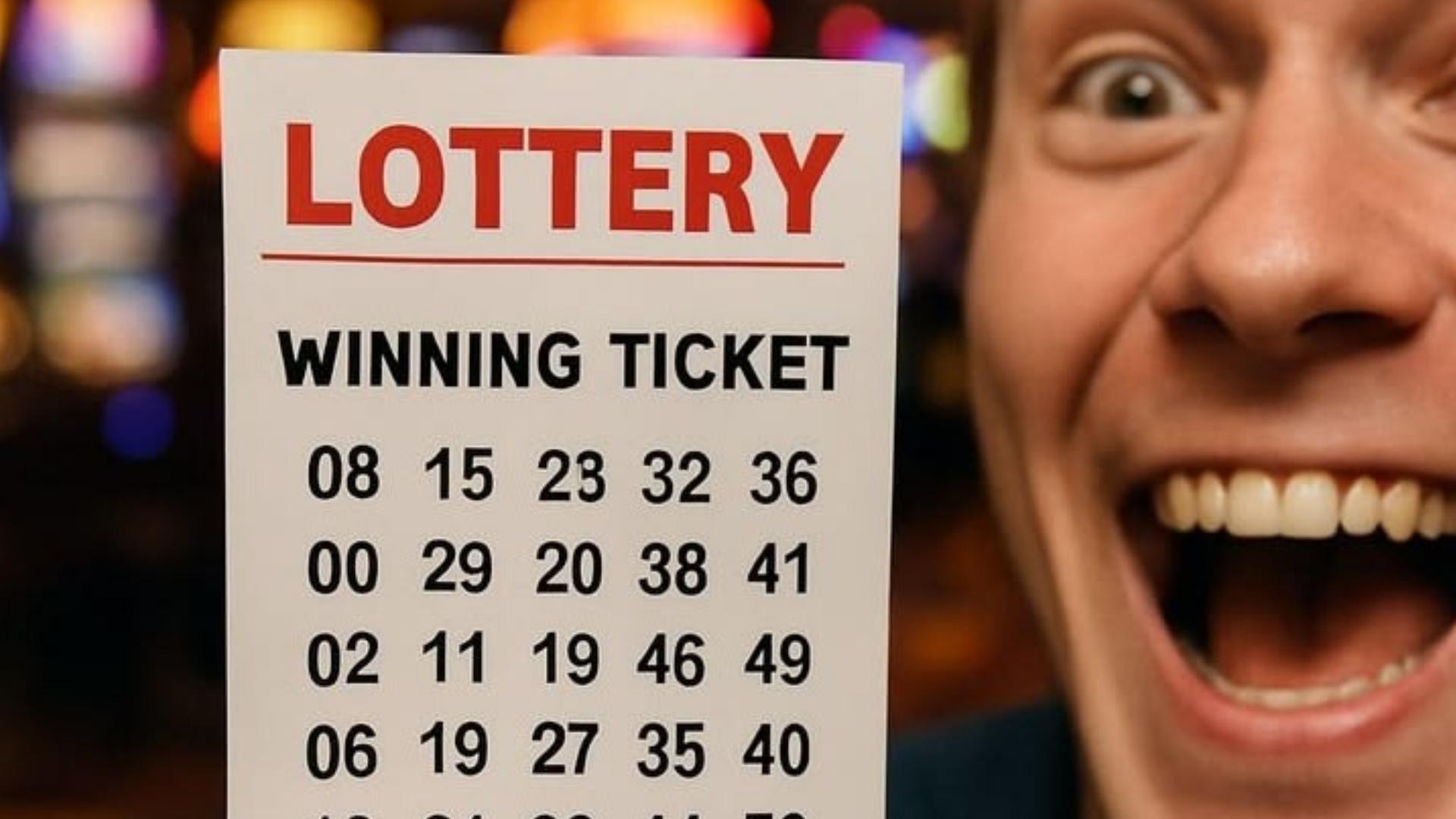
Modern video game design relies heavily on sustainability to keep virtual environments active and engaging over extended durations. While linear narratives offer a clear endpoint, contemporary titles utilize randomized distribution mechanics to ensure that no two playthroughs feel identical. By introducing mathematical uncertainty into the gameplay loop, developers can transform repetitive tasks into compelling journeys of continuous discovery.
The Psychology of Variable Reinforcement
Human interaction with digital systems changes dramatically when outcomes become unpredictable rather than guaranteed. Psychologists have long noted that variable reinforcement schedules stimulate heightened anticipation, keeping individuals engaged as they chase the next major milestone. This mechanical structure taps into the natural human desire for surprise, turning ordinary virtual achievements into deeply satisfying breakthroughs.
When players are aware of the exact outcome beforehand, the cognitive stimulation tends to diminish rapidly over successive sessions. Introducing elements of chance forces players to adapt their strategies dynamically, creating an operational rhythm that sustains interest. This delicate balance between uncertainty and achievement helps explain why random drops remain foundational to modern digital ecosystem design.
Balancing Skill and Algorithmic Chance
Creating an effective gameplay environment requires developers to establish a transparent equilibrium between personal skill and algorithmic luck. If an entertainment system feels entirely arbitrary, participants can quickly become discouraged and abandon the platform. Conversely, when the distribution parameters are calibrated perfectly, players feel motivated to refine their tactics while embracing the thrill of the unknown.
Many forward-thinking studios now implement multi-tiered drops to ensure that both casual participants and dedicated enthusiasts find value in their efforts. Enthusiasts looking for a dynamic experience often seek platforms like M88 sports to engage with shifting odds and unpredictable outcomes in controlled scenarios. By maintaining algorithmic fairness alongside clear performance indicators, interactive designs cultivate long-term community trust.
Enhancing Longevity Through Evolving Loot Pools
The implementation of dynamic prize pools ensures that live-service titles remain fresh and engaging months after their initial release. Rather than relying on static milestones, digital architectures frequently introduce seasonal variations that alter drop probabilities. This approach prevents content exhaustion by continually shifting the goals that participants strive to accomplish.
Furthermore, random reward structures encourage players to venture outside their comfort zones and explore alternative tactical layouts. When an unexpected item drops, it frequently prompts the user to modify their playstyle to maximize the utility of their new acquisition. This organic variation in user behavior is the cornerstone of designing interactive systems that achieve genuine, endless replayability.